
You’ve spent your whole life making sure your child is cared for. The hardest question you carry isn’t about today—it’s about the day you’re no longer here to do it yourself. Who will look after them? Will the money you leave behind actually help, or will it accidentally take away the benefits they depend on?
That last part catches families off guard all the time. If you leave money directly to a child or family member with a disability, it can disqualify them from SSI, Medicaid, and the services that cover their housing, healthcare, and daily care. The gift meant to protect them ends up costing them. A special needs trust lawyer helps you avoid that heartbreaking mistake, so what you leave behind adds to your loved one’s life instead of undoing the support they rely on.

Here’s what many Lake Norman families don’t realize until it’s almost too late. Government benefits like SSI and Medicaid have strict limits on how much money and property a person can have. If your loved one suddenly inherits a lump sum, receives a settlement, or is named in a will, they can be pushed over those limits overnight—and lose the benefits that took years to secure.
Getting those benefits back isn’t quick or simple. And in the meantime, your family member may go without the care they need. The cruel irony is that the money you worked so hard to leave them becomes the very reason they lose everything else. This is why a special needs trust belongs inside a complete estate plan—every piece has to work together.
A special needs trust solves this. Instead of leaving money directly to your loved one, you leave it to a trust that’s created for their benefit. Because the assets are held in the trust rather than in their own name, they don’t count against benefit limits. Your loved one keeps their SSI and Medicaid, and the trust pays for the extras that make life fuller—therapy, education, adaptive equipment, travel, a caregiver, the things government programs won’t cover.
North Carolina has its own framework for these trusts. These trusts live under two layers of law. Federal Medicaid and SSI rules set the core requirements for how a special needs trust must be structured to protect benefits, and North Carolina adds its own statutes on top—including a dedicated pooled trust law that draws important lines a family can’t afford to get wrong. Families in Cornelius, Huntersville, Mooresville, and Davidson generally use one of two kinds:
A third-party trust. This is the most common. You fund it with your own money—through your will, life insurance, or savings—to support a loved one with a disability. There’s no requirement to pay the state back later, so whatever remains can pass to other family members you choose.
A first-party trust. This holds money that already belongs to your loved one, like a personal injury settlement or a direct inheritance. It has stricter rules, including a requirement to repay Medicaid after their lifetime. Because that payback rule is tied so closely to how benefits work, this kind of trust often goes hand in hand with long-term care planning.
Choosing the right one, and wording it exactly the way the law requires, is where a special needs trust lawyer earns their keep. A single misstep in how the trust is written or funded can undo the whole thing.
You shouldn’t also have to master Medicaid rules and trust law just to keep your child safe. That’s what we’re here for.
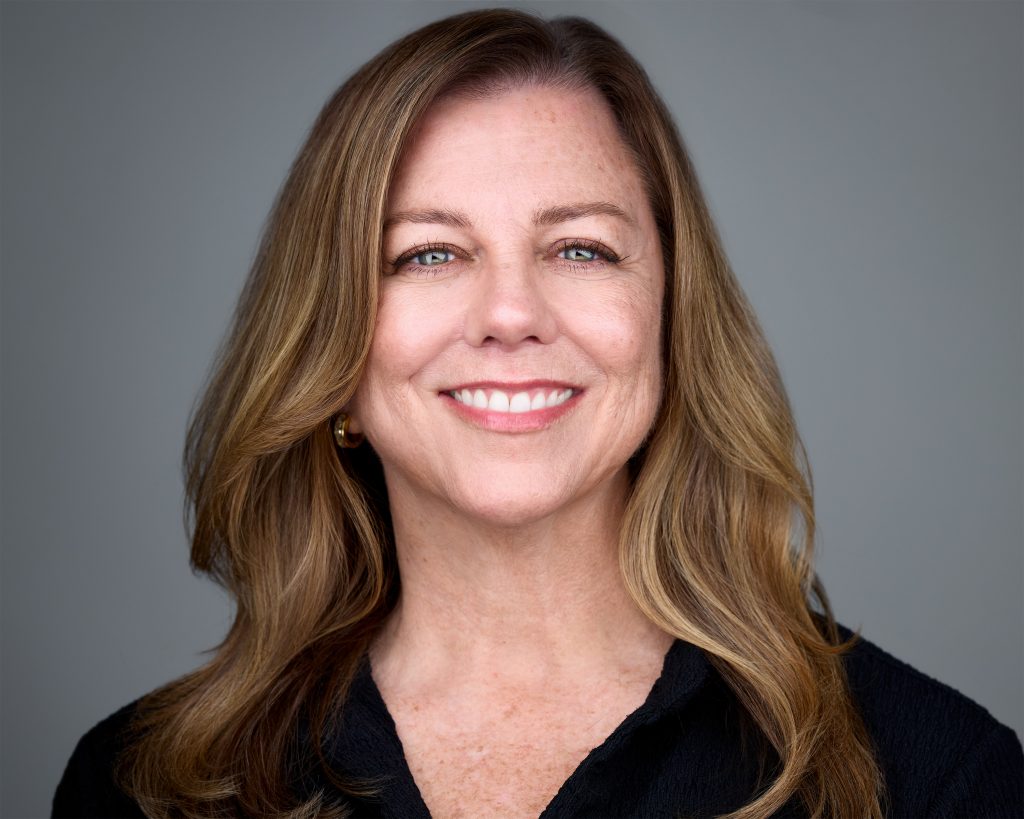
Christine Robbins spent years in North Carolina courtrooms before she ever drafted a plan—which means she’s seen what happens when these trusts are done wrong. Trusts that named the beneficiary directly and wiped out their benefits. Trusts with wording that didn’t meet the state’s requirements. Trusts set up with good intentions but no follow-through on funding. Every one of those failures landed on a family that thought they’d taken care of things. You can meet Christine and our team to see the experience behind that.
That’s the difference you get working with us. We build your special needs trust the way someone who has watched them fail in court would build it—checked against the real rules, funded properly, and designed to hold up long after you’re gone. You bring the love and the knowledge of your family. We handle the legal side that makes your wishes stick.
Tell us about your family
Sit down with us and share your loved one's situation, their benefits, and your hopes for their future. We'll listen first, then tell you honestly what kind of trust fits.
We build it correctly
We draft the trust to meet North Carolina's exact requirements, coordinate it with the rest of your estate plan, and make sure it's funded the right way—the step families most often miss.
Your loved one is protected for life
Their benefits stay intact, the trust supports everything else, and you finally get to rest knowing the answer to that question that's kept you up at night.
No—that’s the whole point of it. When it’s set up correctly, the money in the trust doesn’t count against SSI or Medicaid limits, so your child keeps their benefits and gains extra support on top.
Things that improve quality of life beyond basic needs—medical care not covered by Medicaid, therapy, education, transportation, adaptive technology, recreation, and more. A special needs trust lawyer will walk you through what’s allowed so the trustee doesn’t accidentally cause problems.
Someone trustworthy and capable of managing money and following strict rules—or a professional trustee. The trustee’s duties don’t end when the trust is created; they continue for years, much like the work involved in trust administration. We’ll help you think this choice through.
If your loved one is a minor, a special needs trust often works alongside broader planning for minor children, so guardianship and financial protection are handled together. Planning early keeps a well-meaning relative from naming your child in their own will and accidentally triggering the very problem you’re trying to avoid.
The peace of mind you’re looking for is closer than you think—but it only exists once the plan is actually in place. Every year without one is a year your loved one’s security depends on nothing going wrong.
Robbins Law Firm serves families across Cornelius, Huntersville, Mooresville, Davidson, and the greater Lake Norman and Charlotte area, with offices in Cornelius and Denver, NC. Talk with a special needs trust lawyer on our team, and we’ll explain your options in plain language and give you a clear price before you commit to anything.